The correct expression is “it is worth it,” not “it worth it.” You can also write “it’s worth it,” because it’s is the contraction of it is. The difference is the linking verb: a complete statement needs a form of be before worth. This guide explains the rule, shows how to form questions and negative sentences, and clears up the common confusion between it’s and its.
Quick Answer: It Is Worth It or It Worth It?
“It is worth it” and “it’s worth it” are both correct in standard English. “It worth it” is not a complete standard sentence because it leaves out the verb is. Use “Is it worth it?” when asking a question.
| Expression | Correct? | Explanation |
|---|---|---|
| It is worth it. | Yes | Complete statement |
| It’s worth it. | Yes | Contraction of “it is worth it” |
| It worth it. | No | Missing the verb |
| Is it worth it? | Yes | Correct question form |
| Its worth it. | No | Uses the possessive its instead of it’s |
Why “It Is Worth It” Is Correct
In “It is worth it,” the word it is the subject, is is the linking verb, and worth it describes the value of something. The verb connects the subject with that description.
Think of the pattern:
Subject + linking verb + description
- The course is useful.
- The trip is expensive.
- The experience is worthwhile.
- The course is worth it.
The same structure explains why “it worth it” is incomplete. It has a subject and a description, but no linking verb to connect them.
Cambridge identifies worth as an adjective and explains that it is used after verbs such as be, seem, and look. Its guide also explains the meaning of be worth it: something offers enough value to justify its price, effort, or other cost. You can read its explanation of worth and worthwhile.
When to Use “It’s Worth It”
“It’s worth it” is correct because it’s can stand for it is. The apostrophe marks the letters left out when the two words are contracted.
For example:
- The tickets are expensive, but it’s worth it.
- The walk takes an hour, but it’s worth it for the view.
- I know the course is challenging, but it’s worth it.
- You should try that restaurant. It’s worth it.
The contraction is common in everyday conversation, emails, blogs, and other accessible writing. The full form, it is worth it, may sound more deliberate or formal. Both forms are grammatical, so choose the one that suits your tone.
“It’s” vs. “Its”: What Is the Difference?
The words it’s and its sound the same, but they have different grammatical jobs.
- It’s is a contraction of it is or it has.
- Its is a possessive determiner that shows something belongs to or is associated with an animal, object, organization, or other thing.
Compare these examples:
| Sentence | Why it is correct |
|---|---|
| It’s worth it. | It’s means it is. |
| It’s been a long day. | It’s means it has. |
| The phone lost its charge. | Its shows possession. |
| The company changed its policy. | Its refers to the company. |
A useful test is to replace it’s with it is or it has. If the sentence still makes sense, the apostrophe is probably correct. If you mean possession, use its without an apostrophe.
The British Council’s apostrophe guide explains how apostrophes mark contractions and possession.
How to Use “Worth It” in Different Sentences
The expression worth it does not refer only to money. It can describe whether a result justifies the time, work, inconvenience, risk, or effort involved.
Money: The new laptop costs more, but it is worth it because it lasts longer.
Time: Learning a new language takes patience, but it is worth it.
Effort: The final project was difficult, but it was worth it.
Travel: The drive is long, but the mountain view makes it worth it.
Education: The extra study sessions are tiring, but they are worth it.
In each example, worth it evaluates the result in relation to what someone spends or gives up.
Related Patterns: “Worth Doing,” “Worth the Cost,” and “Worthwhile”
You do not always need the exact phrase worth it. English has several related patterns that express a similar idea.
Worth + a noun
Use worth before a noun or noun phrase to describe value.
- The watch is worth $200.
- The repair is worth the cost.
- Her advice is worth your attention.
Worth + an -ing form
Use a gerund, the -ing form of a verb, after worth when you mean that an action deserves consideration or effort.
- The book is worth reading.
- This question is worth asking.
- The old computer is not worth repairing.
- It is worth checking the details before you pay.
Do not normally use a to-infinitive directly after worth in this pattern. Write “It is worth trying,” not “It is worth to try.”
Worthwhile
Worthwhile is an adjective with a similar meaning. It describes something useful, important, or rewarding enough to justify the time or effort.
- The training was worthwhile.
- Volunteering can be a worthwhile experience.
- We decided that the extra expense was not worthwhile.
The key is to choose the pattern that fits the sentence, rather than treating the two adjectives as interchangeable in every position.
Statements, Questions, and Negative Forms
The verb changes according to the tense and sentence type. The key is to keep an appropriate form of be in the sentence.
| Purpose | Correct example |
|---|---|
| Present statement | It is worth it. |
| Present contraction | It’s worth it. |
| Negative statement | It is not worth it. |
| Negative contraction | It isn’t worth it. |
| Present question | Is it worth it? |
| Past statement | It was worth it. |
| Past question | Was it worth it? |
| Future statement | It will be worth it. |
| Possibility | It might be worth it. |
How to Ask the Question
For a standard yes-or-no question, place the form of be before the subject:
- Is it worth it?
- Was it worth it?
- Will it be worth it?
- Would it be worth it?
The statement “It is worth it” becomes “Is it worth it?” when you ask a direct question.
In conversation, a speaker may use rising intonation with a statement-shaped phrase, such as “It’s worth it?” to express surprise or ask for confirmation. That conversational use does not change the standard question pattern learners should use in formal writing and ordinary direct questions.
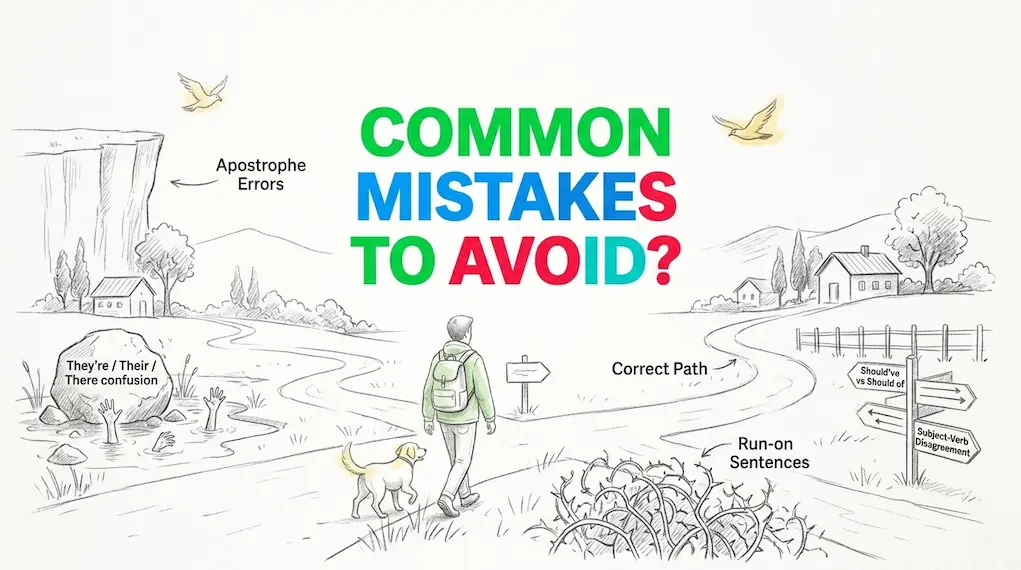
Common Mistakes to Avoid
| Incorrect or unsuitable form | Better form | Reason |
|---|---|---|
| It worth it. | It is worth it. | The linking verb is missing. |
| Its worth it. | It’s worth it. | The sentence needs the contraction. |
| It not worth it. | It is not worth it. | The negative sentence still needs a verb. |
| Does it worth it? | Is it worth it? | Use be with the adjective worth. |
| It is worth to try. | It is worth trying. | Use an -ing form after worth. |
| It is worth it? | Is it worth it? | Use standard subject-verb order for a direct question. |
A common source of confusion is that worth carries the main meaning of the phrase. However, it does not replace the linking verb in this construction. The linking verb can change with tense: is, was, will be, or might be.
If you want to review how verbs work in sentence structure, explore GillGrammar’s guides to how predicates work and understanding sentence subjects. For related lessons, browse the English grammar guides or review auxiliary verb usage.
A Simple Way to Remember the Rule
Remember this basic pattern:
It + is + worth it.
When you see it’s worth it, expand the contraction:
It’s worth it → It is worth it.
When you form a question, move the verb before the subject:
It is worth it. → Is it worth it?
This quick check helps you catch the missing verb and choose the correct apostrophe.
Practice: Choose the Correct Expression
Try these five questions before checking the answers.
- The online class is expensive, but ___ worth it.
- ___ worth it to repair this old laptop?
- The long trip was tiring, but ___ worth it.
- The company updated ___ website.
- This book is worth ___.
Answers
- It is or it’s. Both are correct.
- Is it. This is a direct question.
- It was. Use the past form of be.
- Its. The word shows possession.
- Reading. Use an -ing form after worth.
Conclusion
Use “it is worth it” for the complete form and “it’s worth it” for its contraction. Both are correct, while “it worth it” is incomplete in standard English because it leaves out the linking verb. Also remember that its shows possession, whereas it’s means it is or it has. To check your writing, expand it’s into its full form and make sure your sentence still works.
FAQs
Is “it worth it” ever correct?
Not as a complete sentence in standard English. The phrase is missing a form of the linking verb be. Write “it is worth it” or “it’s worth it.” You may encounter shortened or nonstandard versions in informal messages, but they are not suitable as standard grammatical sentences.
Is “it’s worth it” formal or informal?
“It’s worth it” is grammatically correct and sounds natural in conversation and accessible writing. The full form, “it is worth it,” can sound more formal or deliberate. Neither form is inherently wrong in professional writing; the best choice depends on the tone and style of the document.
Should I write “its worth it” or “it’s worth it”?
Write “it’s worth it.” The apostrophe indicates that it’s is short for it is. The word its is possessive, as in “The dog wagged its tail.” Therefore, its worth it does not express the intended meaning.
What does “worth it” mean?
“Worth it” means that something provides enough value or benefit to justify its cost, time, effort, difficulty, or inconvenience. For example, a course may be expensive but still be worth it if the knowledge or opportunities it provides justify the price.
Is “is it worth it?” the correct question?
Yes. “Is it worth it?” is the standard direct question. The verb is comes before the subject it. You can also ask “Was it worth it?” about the past or “Will it be worth it?” about the future.
Can I say “it was worth it”?
Yes. “It was worth it” is correct when you are talking about a past experience or decision. For example, “The hike was exhausting, but it was worth it.” The verb was connects the subject with the description in the past tense.
Is “it is worth to try” correct?
No. In this pattern, use a gerund after worth: “It is worth trying.” You can also say “It is worth the effort” or “It is worth it to try,” although the last version uses a different sentence pattern.
What is the difference between “worth it” and “worthwhile”?
Both expressions describe something that justifies the time, effort, or cost involved. “Worth it” commonly appears in phrases such as “The trip is worth it.” “Worthwhile” is an adjective, as in “The trip was worthwhile.” Choose the structure that fits your sentence.
Can “worth it” refer to time and effort rather than money?
Yes. The phrase can describe benefits that justify time, hard work, inconvenience, difficulty, or risk. For example, “Learning to play the piano takes years, but it is worth it.” The expression is not limited to financial value.
Is “it worth it?” correct in a question?
Use “Is it worth it?” for a standard direct question. The form it worth it? leaves out the verb and is not standard English. In casual speech, people may use fragments, but learners should use the complete question form in writing.

”Christopher Lane is a passionate teacher and the creator behind GillGrammar. With a strong commitment to education and linguistic clarity, Christopher helps readers conquer English grammar hurdles, distinguish between confusing words, and build stronger writing skills every day.
